The Clinical Cause of Under-Eye Hollows and How Targeted Filler Helps
Rogue Revitalize • November 10, 2026
Waking up looking exhausted despite a full night of sleep is a frustrating experience for many patients. The delicate area beneath the eyes is often the first place to reveal signs of aging, stress, or genetic predisposition. Patients frequently invest heavily in topical creams and serums, hoping to brighten their skin, only to find that the shadowing persists regardless of their daily routine. The aesthetic specialists at Rogue Revitalize approach this specific concern by evaluating the underlying anatomical structure rather than just the skin surface.
Understanding the actual mechanics of the tear trough region is essential for effective treatment. A precise application of under-eye hollow filler can beautifully restore a rested appearance, provided the correct diagnosis is made first. Correcting this area requires a deep understanding of facial anatomy and a commitment to highly tailored, conservative treatment plans.
What you will find in this article:
● Anatomical shifts: The structural changes that create a hollow appearance beneath the eyes.
● Shadow versus pigment: How to identify the true source of dark circles.
● The role of dermal fillers: How targeted volume placement corrects structural shadowing.
● Safety and precision: Why this specific treatment requires advanced clinical expertise.
The Anatomy of the Tear Trough
The under-eye area, clinically known as the tear trough, is uniquely vulnerable to volume loss. The skin in this region is exceptionally thin and lacks the robust fatty tissue found in other parts of the face. As we age, a combination of biological changes occurs simultaneously. The bone density in the orbital rim begins to recede, moving slightly backward and widening the eye socket.
At the same time, the fat pads in the midface that once provided a supportive cushion begin to deflate and descend due to gravity. This separation between the lower eyelid and the cheek creates a distinct groove or depression. The resulting hollow creates an angle that catches overhead lighting, casting a permanent physical shadow across the lower eyelid area.
Identifying the True Source of Dark Circles
During consultations, patients often ask if filler will get rid of their dark circles. The answer depends entirely on the root cause of the discoloration. If your dark circles are caused by true hyperpigmentation, genetics, or visible vascular networks beneath the thin skin, adding volume will not resolve the color issue.
However, if your dark circles are actually shadows cast by the structural hollows we described above, replacing the lost volume will eliminate the shadow and dramatically brighten the under-eye area. We test this during an assessment by adjusting the lighting in the treatment room. If the darkness disappears when light shines directly on the face, the issue is structural, and dermal fillers will be highly effective.
How Targeted Volume Restoration Works
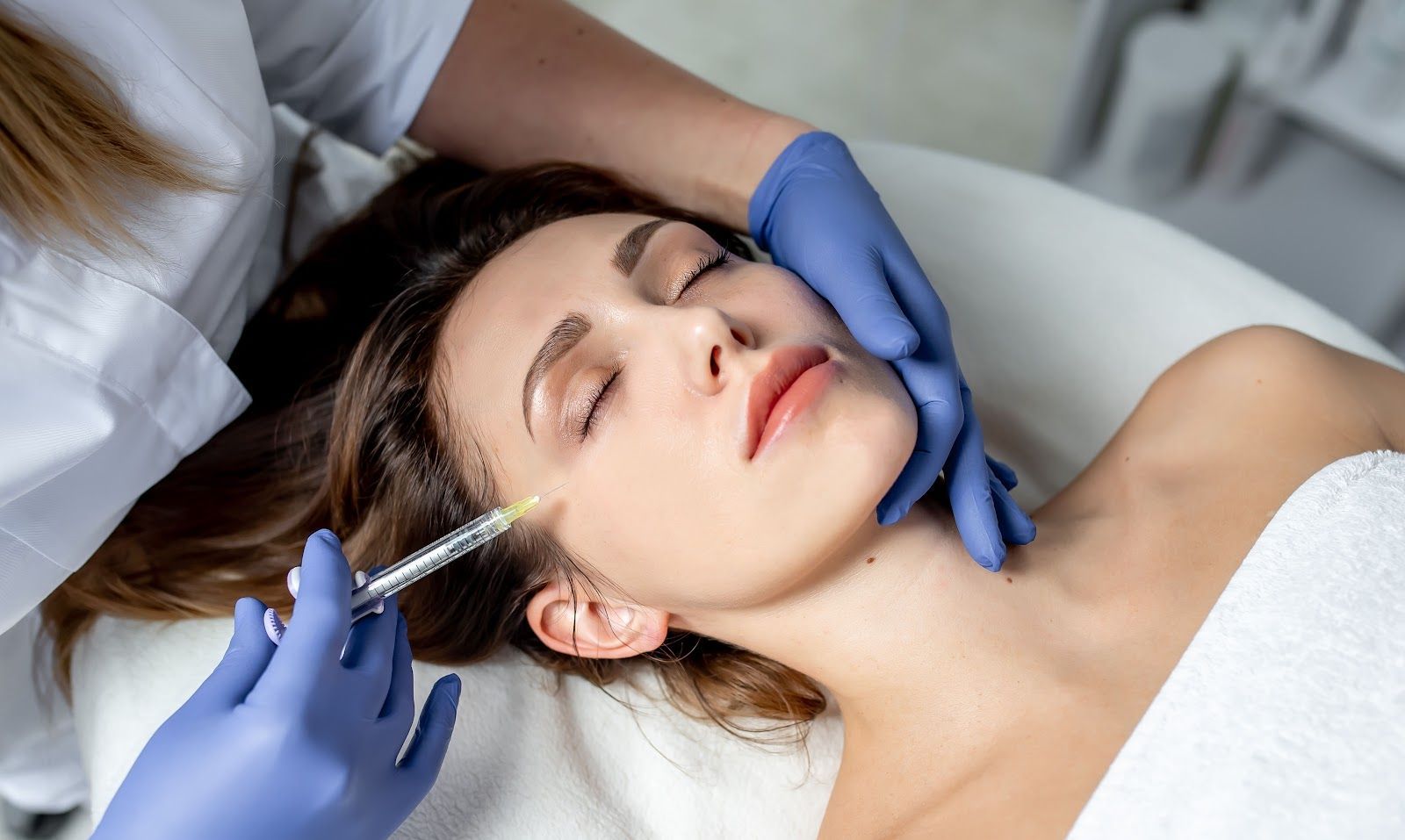
When treating structural hollows, the goal is not to completely erase natural facial contours, but to smooth the harsh transition between the lower eyelid and the upper cheek. We use specific hyaluronic acid fillers formulated specifically for the delicate under-eye tissue. These products are designed to integrate smoothly without attracting excess water, which could lead to unwanted puffiness.
The placement is deep, resting just above the bone to provide architectural support rather than superficial bulk. By lifting the tissue from beneath, the filler restores the smooth, continuous plane that reflects light evenly. The result is an immediately refreshed, awake appearance that maintains the natural character of your face.
The Importance of Comprehensive Assessment
The tear trough does not age in isolation. Treating the under-eye area often requires evaluating the surrounding structures. If the midface has lost significant volume, treating only the tear trough can lead to an unnatural, heavy appearance.
In many cases, providing support to the cheeks with midface fillers first will naturally lift the lower eyelid area and reduce the amount of product needed directly beneath the eyes. Alternatively, patients looking for entirely natural regenerative options might benefit from EZ Gel PRF, which utilizes your own concentrated growth factors to improve both tissue thickness and skin quality in this delicate zone.
Addressing Your Facial Structure Properly
Relying on topical creams to fix a structural deficit will only lead to ongoing frustration. A careful clinical evaluation of your orbital anatomy will determine exactly what is needed to restore a naturally vibrant look to your eyes. Reach out to our team to schedule an assessment and learn exactly how we can correct the specific cause of your under-eye shadows.
Share This Blog